We partnered with Montek for the development of our eCommerce platform, HerCliq.com and the experience has been nothing short of outstanding. From the initial concept to the final launch, Montek's team demonstrated deep ...
MK

Connecting ideas and people – how talk can change our lives.
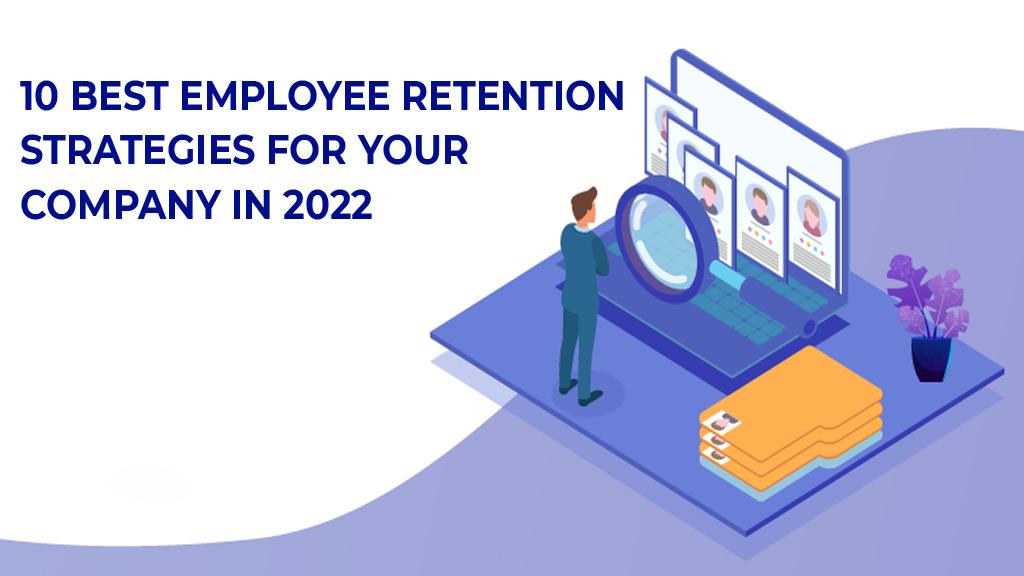
Is your company facing a wave of resignations? You're not alone. The "Great Resignation" has had a significant, ongoing impact on companies of every size, and employers everywhere are on guard against the risk of losing high performers in a job market where employees remain optimistic about their options.
The time has come to ensure your company is taking the right steps to promote job satisfaction and, ultimately, retain valuable talent. Before building an employee retention strategy, it helps to first understand the motivations behind your team's job searches — and any signals that some may already be considering an exit.
Employee turnover has effects that extend far beyond brief disruption. It's expensive to start with — the Work Institute estimates replacing a worker costs roughly one-third of their annual salary. Beyond that direct cost, excessive turnover affects remaining employees and clients alike. Workloads grow when people watch coworkers leave, triggering a downward spiral of stress and further departures. Frustrated, overworked employees are less effective, which lowers product and service quality and increases the risk of negative customer experiences. The full cost of turnover is genuinely difficult to measure in total.
Candidates with in-demand skills won't wait long to find a new job, even in markets that generally favor employers. Many businesses kept hiring throughout the pandemic, and recruitment activity has only increased since. If you suspect your company is at risk of losing strong performers, now is the time to strengthen your retention strategy.
This is one of the most important retention strategies available. According to industry research, 94% of employees say they'd stay with their company longer if it invested in their career development. Employees today know they must keep their skills current to stay competitive, so employers can meet that drive for growth with mentorship programs and funding for further education. Professional development courses help retrain and upskill your workforce while expanding your internal talent pool.
Competitive compensation remains one of the most direct retention levers available. Employers should continuously review and revise salaries to stay competitive. If raising base salary isn't currently possible, consider additional forms of compensation — bonuses, incentives, or enhanced retirement and health benefits — all of which contribute meaningfully to job satisfaction.
Everyone wants to feel appreciated, especially at work. In one survey, 68% of HR professionals said formal recognition programs were lacking in their organizations, despite recognition being critical for retention. Encourage managers to acknowledge the contributions of their direct reports, and consider recognizing standout performance at a divisional or company-wide level. This matters even more during periods of sustained pressure or change.
The shift to remote and hybrid work has made effective communication more important than ever. Direct reports — on-site or remote — should feel comfortable approaching leadership at any time with suggestions, questions, or concerns. As a team leader, actively engage with your team on a regular basis to gauge workload and job satisfaction rather than waiting for problems to surface on their own.
Strong benefits help your company stand out to prospective hires, re-engage current employees, and boost overall morale. Research consistently shows remote work options and flexible scheduling rank among the benefits professionals value most, with paid parental leave also cited as a major factor by a significant share of respondents.
Many businesses are replacing the annual performance review with more frequent one-on-one check-ins. Use these conversations to discuss short- and long-term goals and help employees picture a future with the company. Avoid promises you can't keep — instead, work through realistic career progression scenarios and build a practical plan toward them together.
Work-life balance is a real, measurable factor in retention — but flexible scheduling alone won't help if employees have more work than they can reasonably complete, or if company culture expects them to answer email well outside business hours. Managers should check in regularly to ensure workloads stay manageable, and companies should look at cutting low-value meetings and administrative tasks that consume time without adding much value. Compare the cost of hiring additional staff against the cost of turnover before workloads become unsustainable.
Employees know the workplace is evolving quickly, and many worry their current employer isn't offering enough room for advancement — so they look elsewhere. Structured career pathing boosts engagement and helps employees see a genuine future with the company. This process involves managers and employees jointly identifying goals and building a learning and development plan to reach them.
Even as companies return to the office, many employees still prefer remote or hybrid arrangements — and removing that option can itself prompt resignations. One survey found that half of remote professionals would look for a new job if required to return to the office full-time. If permanent remote work isn't feasible, consider what flexibility you can realistically offer; even partial accommodation reduces team stress and supports retention.
Organizational culture might sound subjective, but it has real, measurable effects on retention and is one of the biggest influences on job satisfaction. Strong cultures consistently share a few key traits: clearly stated and genuinely lived values, leadership that actively seeks out employee opinions, a real commitment to inclusion, diversity, and equity, and consistent, constructive leadership behavior.
Montek Services is the best recruitment company in India, helping businesses hire the right talent from the start — because retention begins with a strong initial match, not just what happens after someone joins. We help you grow with talent that's suited to your organization for the long term.
High turnover is expensive — often around a third of a departing employee's annual salary to replace — and it also increases workload and stress for remaining staff, which can trigger further departures.
There isn't one silver bullet, but investing in career development and offering competitive compensation consistently rank among the highest-impact strategies across industries.
Culture is one of the strongest influences on job satisfaction. Companies with clearly stated values, inclusive practices, and constructive leadership see measurably better retention outcomes.
Yes. Surveys show a significant share of remote employees would leave if forced back to the office full-time, making flexible arrangements a meaningful retention lever.
Regular one-on-one check-ins — more frequent than an annual review — are increasingly the standard, allowing managers to catch dissatisfaction early before it leads to resignation.
These ten strategies — from career investment and compensation to culture and flexibility — form a practical framework for reducing turnover and keeping your best people engaged. It's essential to both hire and retain talented employees, since one without the other leaves real value on the table.
Want help building a team that stays? Contact Montek Services today to discuss your hiring and retention strategy.

We partnered with Montek for the development of our eCommerce platform, HerCliq.com and the experience has been nothing short of outstanding. From the initial concept to the final launch, Montek's team demonstrated deep ...
Montek Services is a highly skilled team with an eye for details. Our expectation meets 100%. The project management and communication works really well through the online project tools and the dedicated project manager ...
Montek's website design team far exceeded my expectations on every front, we have very high expectations. The end product is a beautiful website that define who we are as company. Every person I worked with at Montek was...