We partnered with Montek for the development of our eCommerce platform, HerCliq.com and the experience has been nothing short of outstanding. From the initial concept to the final launch, Montek's team demonstrated deep ...
MK

Connecting ideas and people – how talk can change our lives.
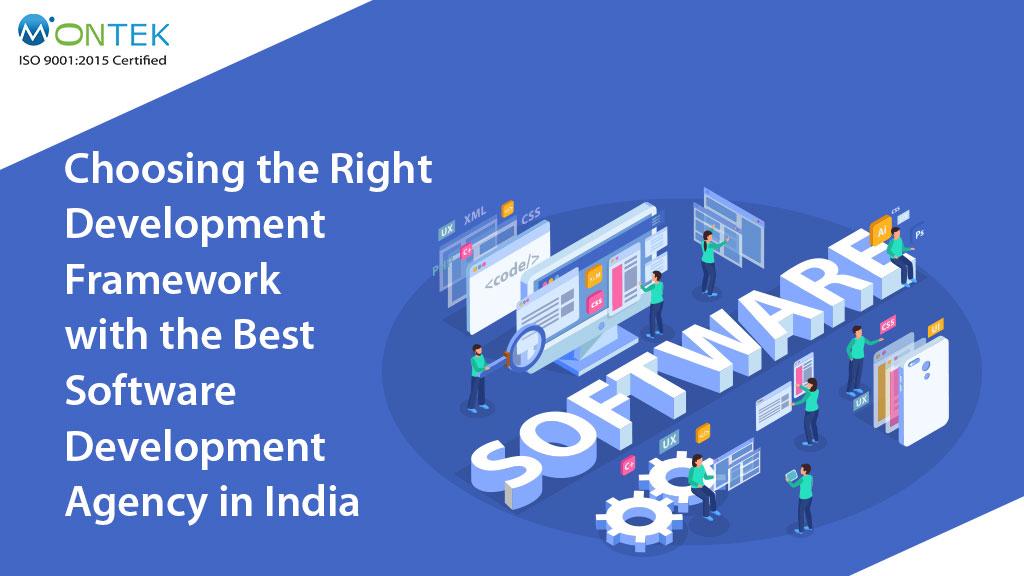
In the world of software development services, choosing the right framework is akin to selecting the foundation for your dream building. A framework provides a structured approach, pre-built tools, and a set of conventions that streamline the entire development process.
With a wide range of options available, making the right choice is essential to a successful software development journey. This guide explores the factors to consider when selecting a development framework, providing insight to guide you toward a decision that aligns with your project's goals and requirements.
A framework is a collection of pre-written code, libraries, and tools that expedite the development of software applications. It provides a blueprint for structuring code, handling common tasks, and following best practices — saving teams from reinventing foundational infrastructure on every project.
Start by understanding your project's specific needs. Consider the type of application you're building (web app, mobile app, and so on), scalability requirements, performance expectations, and any third-party service integrations you'll need to support.
Frameworks are often tied to specific programming languages. Choose one compatible with the language your team is most comfortable with, or the language that best suits your project's technical needs.
A vibrant, active community is a significant asset. Look for frameworks with strong communities offering ample documentation, tutorials, forums, and regular updates — this ensures you have real resources available when you hit challenges during development.
If your project is expected to scale over time, choose a framework that supports scalability and can handle increased traffic and data loads efficiently. Performance optimization features are crucial for delivering a responsive, snappy user experience as usage grows.
Frameworks are either flexible, letting you make choices about various components, or opinionated, enforcing specific design patterns and decisions. Choose based on your team's preferences and how much structure your project genuinely needs.
Evaluate the learning curve associated with each framework. Choosing one that aligns with your team's existing expertise reduces the time required to get up to speed and start meaningful development work.
Consider the availability of third-party integrations, plugins, and libraries that can enhance your application's functionality. A robust ecosystem saves significant development time and effort compared to building everything from scratch.
Security is paramount in software development. Ensure the framework follows security best practices and receives regular updates addressing vulnerabilities. A well-maintained framework is significantly less likely to pose security risks down the line.
Choose a framework with a track record of longevity, one that's been adopted by reputable companies. This reduces the risk of your chosen framework becoming obsolete or unsupported in the future — a real concern with newer, less-established options.
Choosing the right framework is a decision that shapes your entire development process — impacting coding conventions, project timelines, and ultimately the success of your application. By carefully assessing your requirements and factors like language compatibility, community support, and scalability, you can make an informed decision with the assistance of a reputable software company in Pune.
Start by defining your project's requirements — application type, scalability needs, and language preferences — then match those against each framework's strengths.
Yes. A strong community provides documentation, tutorials, and troubleshooting resources that meaningfully reduce development friction.
Flexible frameworks let developers make more architectural decisions, while opinionated frameworks enforce specific patterns and structure by default.
Very important. Choosing a framework with an established track record reduces the risk of it becoming unsupported or obsolete during your application's lifespan.
Yes. A framework with regular security updates and adherence to best practices significantly reduces the risk of vulnerabilities in your application.
The right framework isn't just a tool — it's a strategic choice that empowers your team to build a robust, efficient, high-performing software solution. Careful evaluation upfront pays off throughout the entire development lifecycle.
Ready to choose the perfect framework for your project? Partner with the best CodeIgniter development agency in India. Contact Montek Services today.

We partnered with Montek for the development of our eCommerce platform, HerCliq.com and the experience has been nothing short of outstanding. From the initial concept to the final launch, Montek's team demonstrated deep ...
Montek Services is a highly skilled team with an eye for details. Our expectation meets 100%. The project management and communication works really well through the online project tools and the dedicated project manager ...
Montek's website design team far exceeded my expectations on every front, we have very high expectations. The end product is a beautiful website that define who we are as company. Every person I worked with at Montek was...