We partnered with Montek for the development of our eCommerce platform, HerCliq.com and the experience has been nothing short of outstanding. From the initial concept to the final launch, Montek's team demonstrated deep ...
MK

Connecting ideas and people – how talk can change our lives.
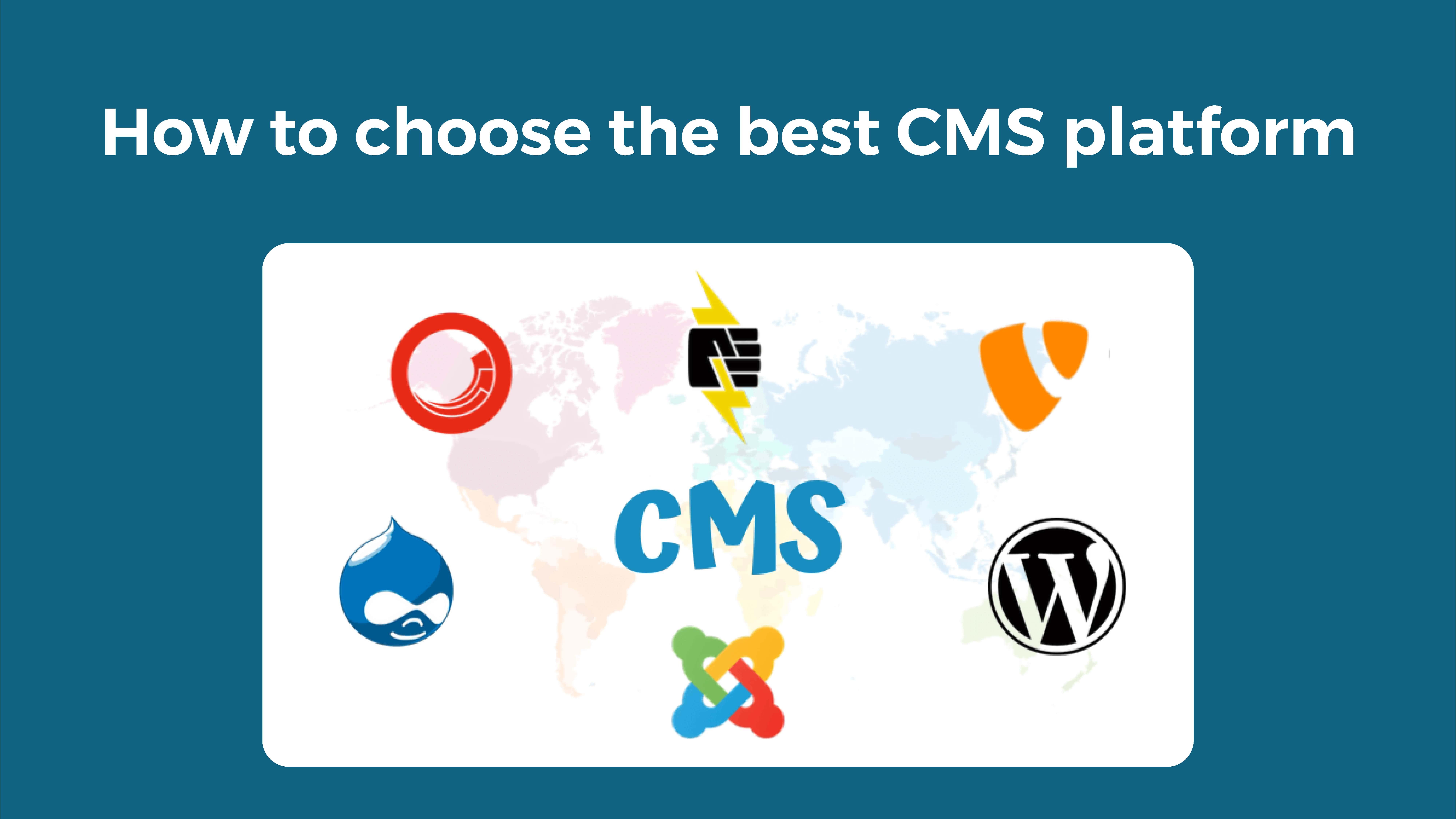
Choosing the best CMS platform for websites can feel overwhelming given the sheer range of providers and products on the market today. Get it wrong, and the consequences can follow your company and IT department for years — from constant maintenance headaches to a website that simply can't keep up with your business.
This guide breaks down a practical process for choosing the right CMS platform, along with the most common mistakes businesses make when evaluating their options.
There's no single CMS or system that works ideally in every circumstance. Choosing and implementing a content management system is really just the beginning of a longer process that can pay off significantly over time — or end up costing far more than expected if the wrong platform is chosen.
A CMS that demands excessive oversight and support severely limits how well teams can manage content, ultimately creating a poor experience for website visitors. The problem compounds for companies managing multiple websites and digital assets — a solution meant to help your team can quietly become one of its biggest bottlenecks.
The most frequent errors organizations make when selecting a CMS include failing to consider the long-term cost of a cheap solution, underestimating the ongoing effort required to properly maintain a quality CMS, and failing to match the platform's actual capabilities with the team's real needs.
A CMS exists to optimize the process of creating, editing, and managing a website. Choosing an intuitive platform means your team isn't unnecessarily dependent on developers for routine content changes — especially valuable if your team is new to web design and maintenance. Look for providers offering drag-and-drop interfaces and accessible, non-technical dashboards.
Optimizing a website for search rankings requires far more than keyword placement — technical factors like site speed, clean URL structures, schema markup support, and mobile responsiveness all matter. If SEO plays a meaningful role in your business strategy, choosing a CMS platform built around SEO best practices from the ground up is essential, not optional.
Scalability matters more than it might seem at first glance. Every growing company needs to adapt to change, and those changes inevitably affect your website's infrastructure needs. Make sure the CMS you choose can scale smoothly alongside your business, rather than requiring a painful platform migration down the road.
Even if your company currently only manages desktop or mobile sites, it's worth considering the digital channels you haven't tapped yet but might need in the future. Content already extends across mobile apps, AR/VR experiences, kiosks, digital signage, and voice assistants — and that trend shows no signs of slowing. Make sure your chosen CMS can support future channel additions without requiring a complete platform overhaul.
No matter how capable a CMS is on paper, it will struggle without qualified developers available to support it. Requiring highly specialized expertise in one narrow CMS infrastructure is the root of many conventional CMS headaches, often creating hiring bottlenecks. Choose a system that lets your developers work in the languages and frameworks they're already skilled in, rather than forcing them into an unfamiliar, niche ecosystem.
If you're searching for a software development partner to build a CMS platform for your business, Montek Services brings a team of experienced developers who understand your specific needs and build CMS solutions accordingly — rather than forcing your business into a one-size-fits-all platform.
Ease of use, SEO-friendliness, scalability, multi-channel support, and developer flexibility are the core factors that determine whether a CMS will serve a business well long-term.
As a business grows, its website and digital content needs change. A scalable CMS avoids the cost and disruption of migrating to a new platform later.
Choosing based on upfront cost alone, without considering the long-term maintenance effort and whether the platform truly matches the team's actual needs.
Yes. Site speed, URL structure, schema support, and mobile responsiveness are all shaped by CMS architecture, making SEO-friendliness a critical selection factor.
A CMS requiring highly specialized, narrow expertise creates hiring bottlenecks. Platforms that support common languages and frameworks are easier to maintain long-term.
The right CMS platform balances ease of use, SEO readiness, scalability, multi-channel support, and developer flexibility — there's no universal best choice, only the best fit for your specific business needs. Taking the time to evaluate these factors upfront avoids costly platform migrations and ongoing maintenance headaches down the line.
Need help choosing or building the right CMS platform? Contact Montek Services and get a quote for your CMS software today.

We partnered with Montek for the development of our eCommerce platform, HerCliq.com and the experience has been nothing short of outstanding. From the initial concept to the final launch, Montek's team demonstrated deep ...
Montek Services is a highly skilled team with an eye for details. Our expectation meets 100%. The project management and communication works really well through the online project tools and the dedicated project manager ...
Montek's website design team far exceeded my expectations on every front, we have very high expectations. The end product is a beautiful website that define who we are as company. Every person I worked with at Montek was...